
Understanding EPA/CFC Certification: What It Is — and What It Isn’t
Written by: Maddy Klinker, IAA Director of Education and Councils
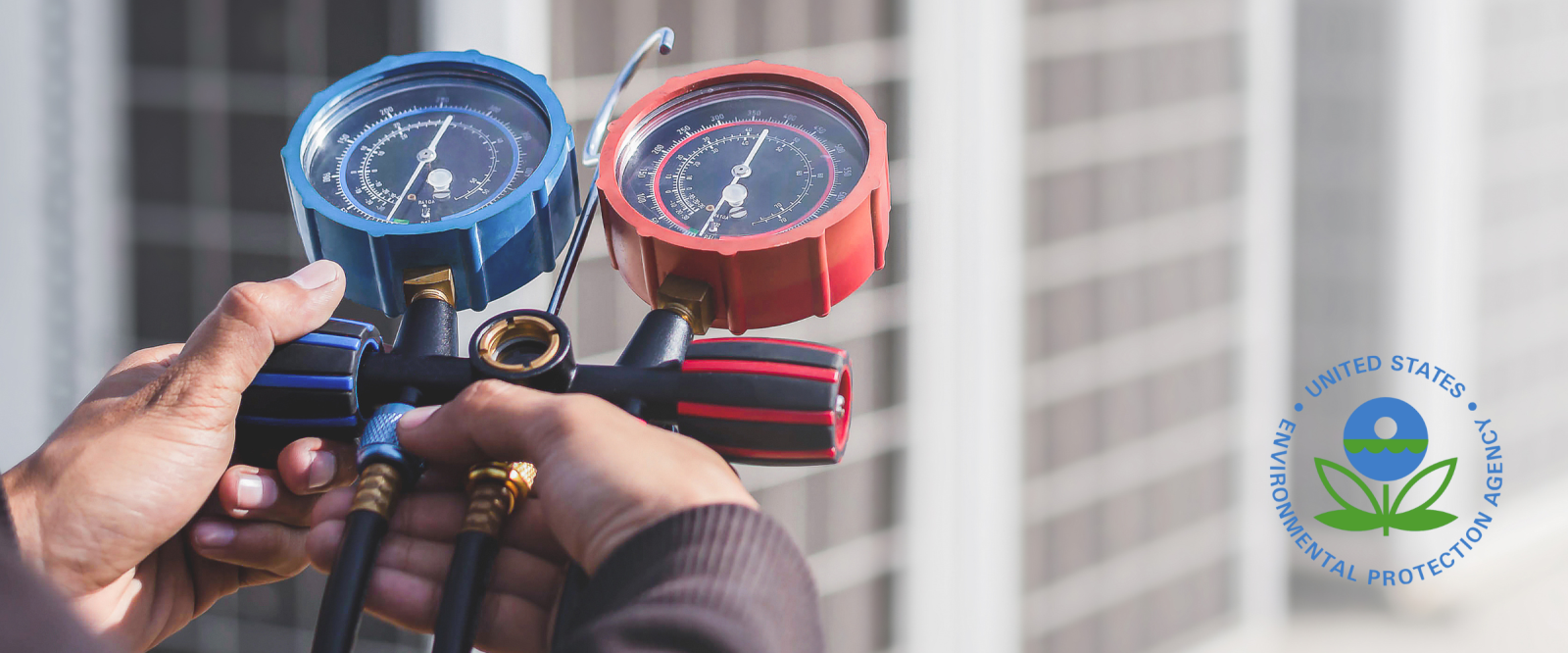
If your job brings you into contact with refrigerants, chances are you’ve heard of EPA Section 608 certification. It’s a federal requirement, and for many in apartment maintenance and operations, it’s essential. But despite how often it’s referenced, EPA/CFC Section 608 certification is one of the most commonly misunderstood credentials in our industry.
At its core, EPA Section 608 certification exists to protect the environment. Federal law requires that anyone who handles regulated refrigerants be certified to ensure these substances are managed safely and responsibly. Certification allows technicians to legally purchase, handle and work with refrigerants. It also helps property owners avoid costly fines and compliance issues.
What it does not do, however, is qualify an individual to install, repair or troubleshoot HVAC systems.
That distinction matters. EPA/CFC certification focuses on how refrigerants are handled, not how HVAC equipment functions.
What the Certification Covers
Twice each year, the Indiana Apartment Association offers an EPA/CFC Certification Test Prep course to help members meet federal compliance requirements. The course is designed to prepare participants for the EPA exam and ensure they understand the responsibilities that come with refrigerant handling.
Topics include:
- Environmental regulations governing refrigerants
- Proper refrigerant handling, recovery and disposal
- Safety protocols and compliance requirements
For maintenance teams, earning this certification means peace of mind — knowing you can legally handle refrigerants while helping protect the environment and your organization from penalties.
What It Doesn’t Cover — By Design
Because its purpose is regulatory, the EPA/CFC certification does not address the mechanical side of HVAC work. That means the course does not include:
- HVAC installation or repair techniques
- System diagnostics or troubleshooting
- Mechanical or system design
This is not a shortcoming of the certification; it’s simply not its role.
Building the Full Skill Set
For those looking to deepen their technical expertise, IAA offers additional education opportunities that go beyond compliance. Members interested in learning how HVAC systems operate — and how to diagnose and repair them — should consider registering for IAA’s A/C and Heat Troubleshooting seminars or pursuing the Certificate for Apartment Maintenance Technicians (CAMT). These programs are designed to build practical skills and confidence on the job.
Understanding the difference between compliance credentials and technical training helps teams invest in the right education at the right time — and ensures your properties stay both compliant and well‑maintained.